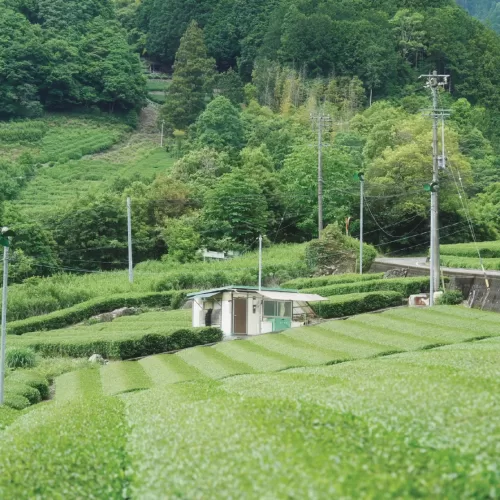
At the end of May, Morico had the opportunity to join a meaningful journey to Shizuoka, Japan, organized by our long-time partner, Hamasa-en (浜佐園).
For those who love Japanese tea culture, Hamasa-en, founded in 1865, is one of Shizuoka’s long-established tea companies, with more than 160 years of history alongside modern production standards such as FSSC22000 and Organic JAS. For Morico, however, Hamasa-en has always been much more than a supplier. They have been our trusted companion throughout our 17-year journey of introducing Japanese tea and Matcha to customers in Vietnam.
This trip also gave us the opportunity to meet and spend time with the people behind every cup of tea, from processors and tea farmers to those who quietly dedicate themselves to preserving Japanese tea culture every day. By the time we left Shizuoka, we found ourselves carrying home not only new knowledge about Japanese tea, but also stories and memories of the people we were fortunate to meet along the way.
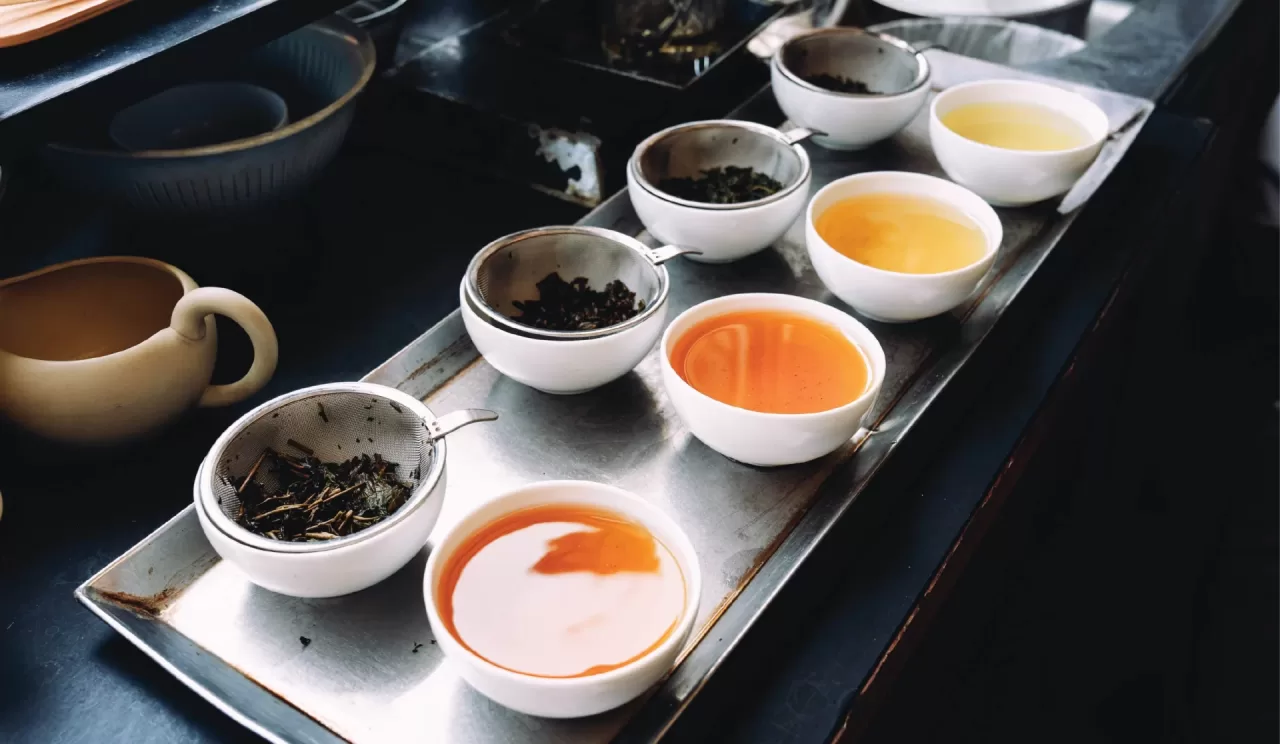
Beginning with the gentle aroma of Houjicha
One of the most memorable stops of our journey was Yamanashi Shouten (山梨商店), a tea producer established in 1950 and a long-time partner of Hamasa-en.
From the moment we met, we could feel Mr. Hiroyuki Yamanashi’s love for tea. He spoke passionately about production methods, the teas he enjoys, and patiently answered every question from our group. What stayed with Morico most was his warmth and generosity. At one point, one of our members paused to admire a hand-drawn map of Shizuoka that he had made for his shop. Without hesitation, Mr. Yamanashi said she was welcome to take it home.
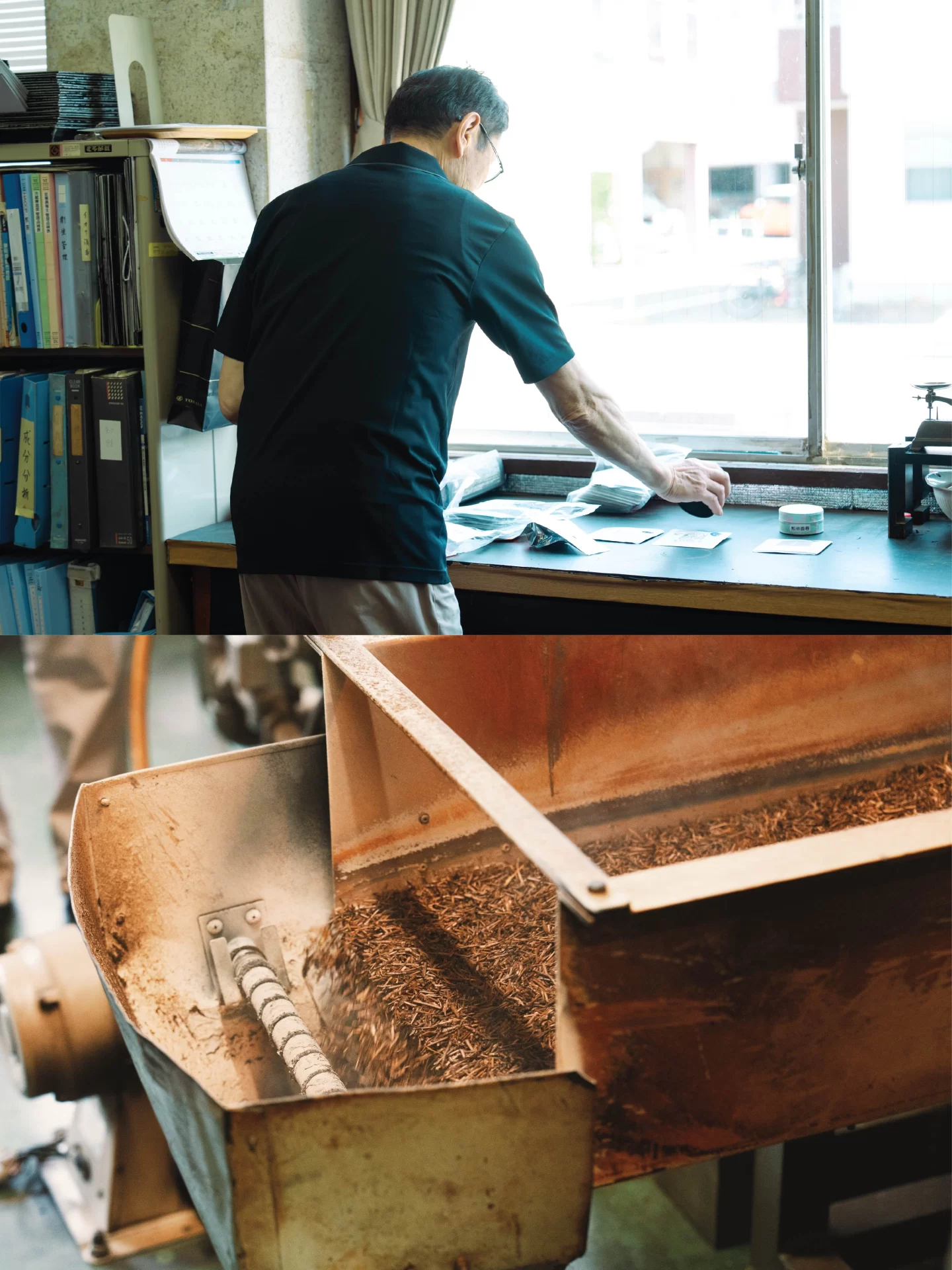
Although Houjicha has been on Morico’s menu since 2014, this visit still brought us many new discoveries.
A small change in roasting temperature, from 160°C to 180°C or 200°C, can create remarkably different flavor profiles. According to Mr. Yamanashi, umami is particularly sensitive to heat, while amami (sweetness) remains relatively stable during roasting. This is why darker roasted Houjicha often develops sweet notes reminiscent of caramel and chocolate.
We were also introduced to a fascinating roasting method for premium tea materials: roasting at an extremely high temperature of around 1,000°C for only about 30 seconds. The goal is not to create a stronger roasted flavor, but rather to preserve as much of the leaf’s original character as possible while still developing Houjicha’s distinctive aroma.
Interestingly, everything we learned that day was confirmed during the tea tasting session at Hamasa-en the following day. By comparing Houjicha roasted at different levels side by side, we could clearly experience the differences in aroma, sweetness, and aftertaste. There was something special about learning these things and then experiencing them firsthand.
Touching the gifts of nature in Utogi
Leaving the tea factory behind, Hamasa-en brought us to Utogi, a mountain village known as the birthplace of Japanese wasabi cultivation for more than 400 years.
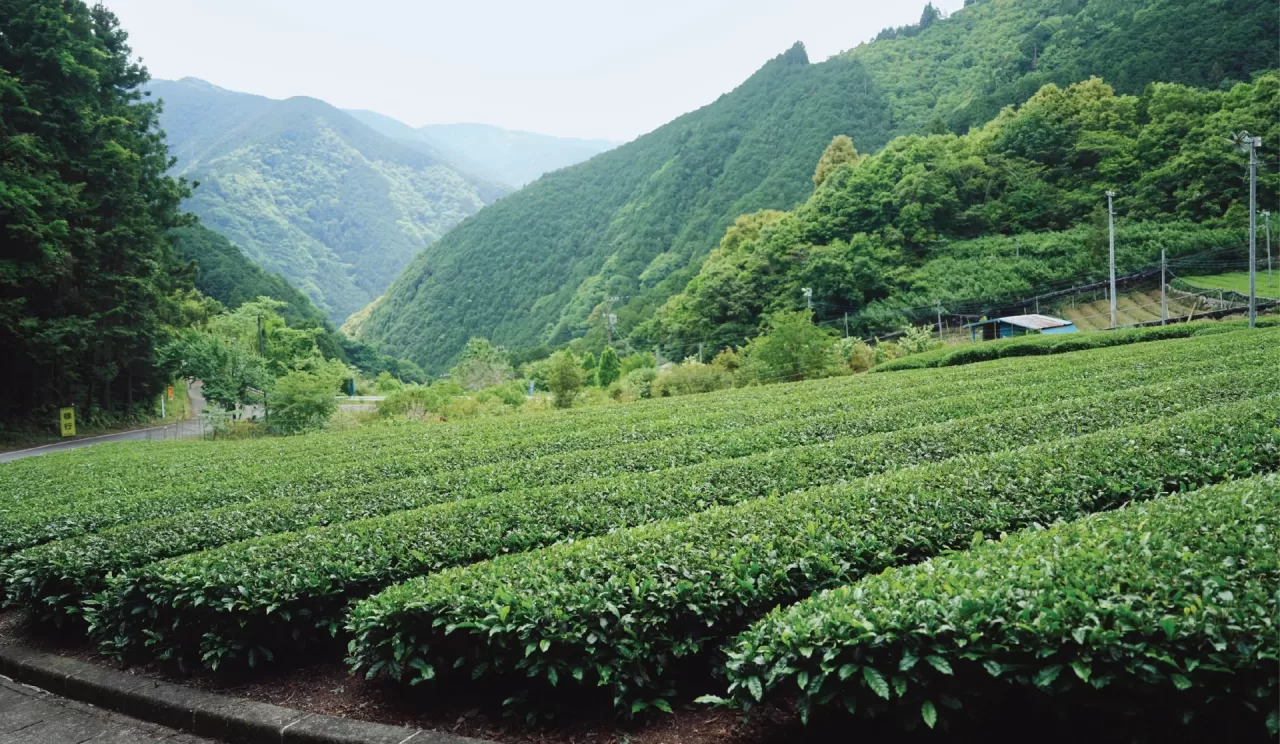
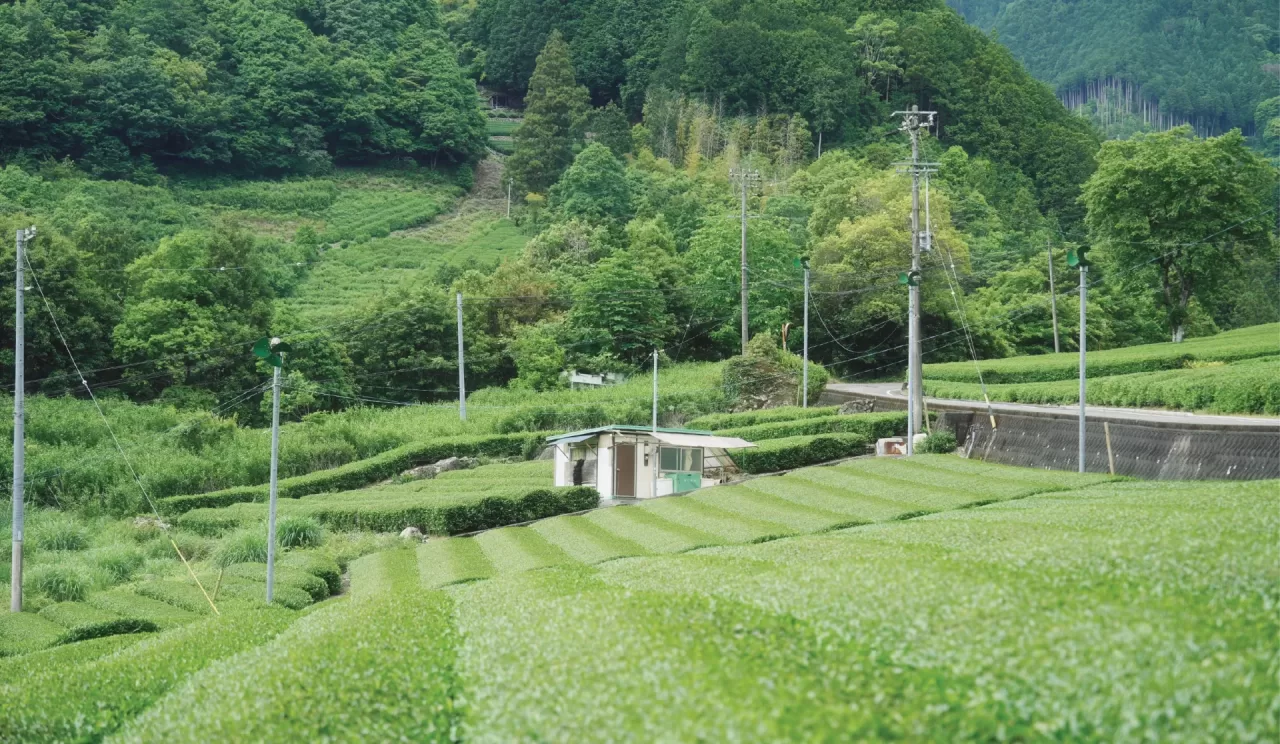
It was also our first time visiting Japan in early summer. Instead of cherry blossoms or red maple leaves, Shizuoka greeted us with endless shades of green. The drive was long, but the scenery made us almost forget the passage of time. Winding roads, layers of green mountains, and then Maruichi Wasabi Farm (丸一山葵) appeared before us like a painting.
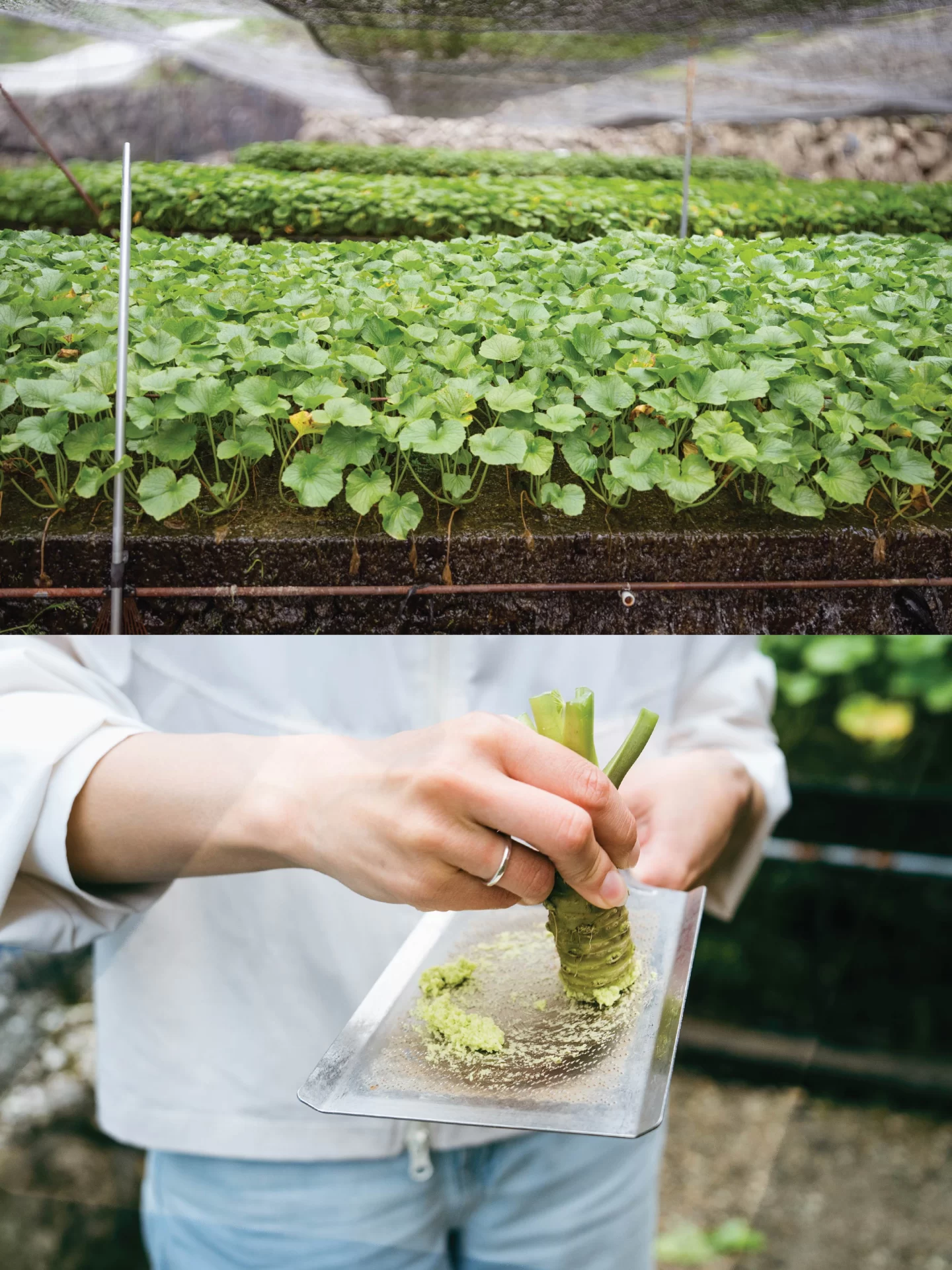
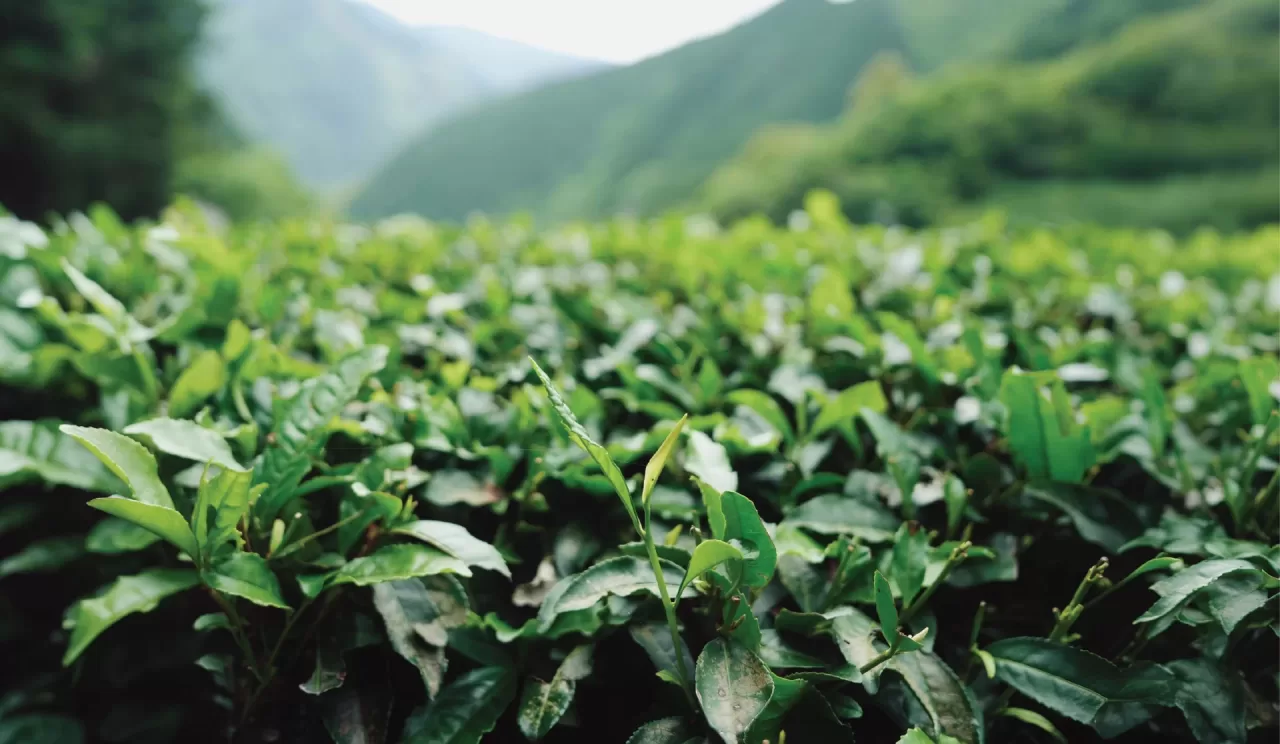
Here, we visited tea fields nestled among the mountains before continuing higher to the wasabi farm itself. Rows of vibrant green wasabi plants were nourished by mineral-rich spring water that remains at around 12°C throughout the year. These unique natural conditions allow the plants to grow slowly and develop their distinctive flavors.
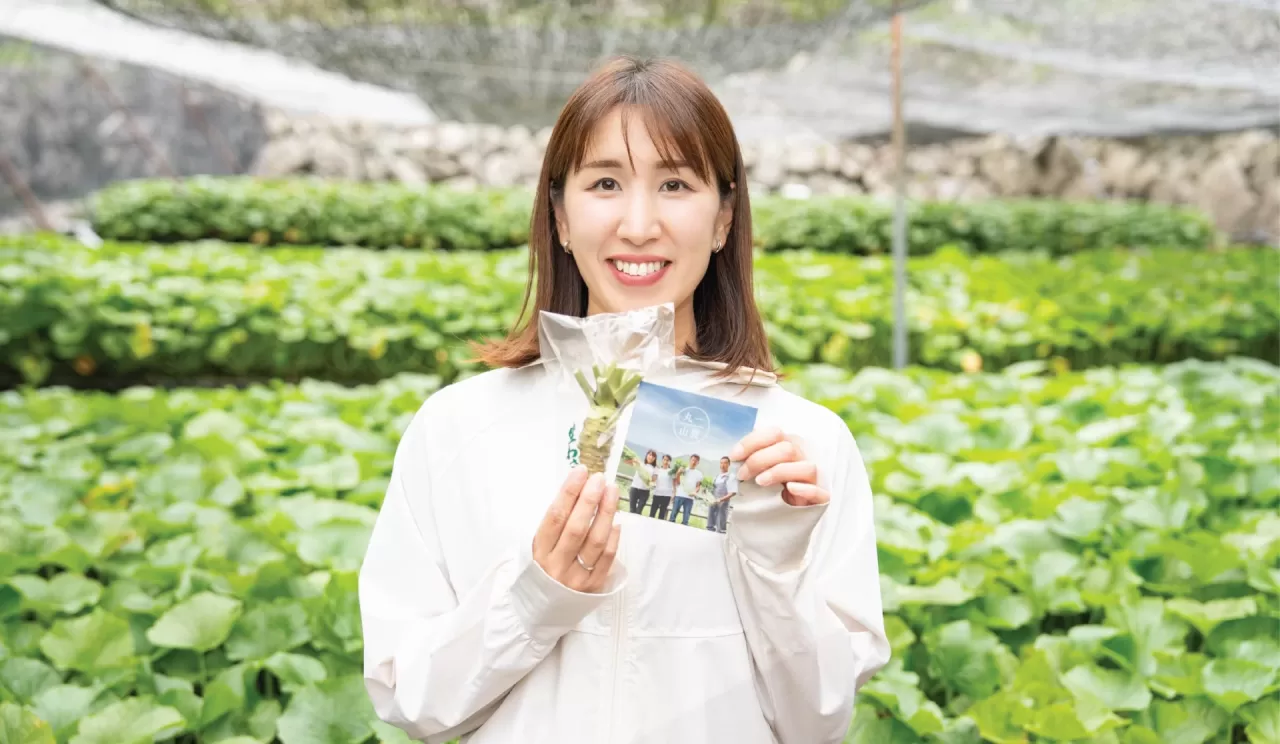
What Morico remembers most was tasting fresh wasabi right there in the field. Its gentle heat spread quickly and faded just as quickly, leaving behind a subtle sweetness unlike anything we had experienced before.
Before saying goodbye, each of us was given a fresh wasabi root to take home. Knowing that it represented more than a year of careful cultivation and patient waiting made this gift feel particularly precious.

Matcha and the stories behind its global rise
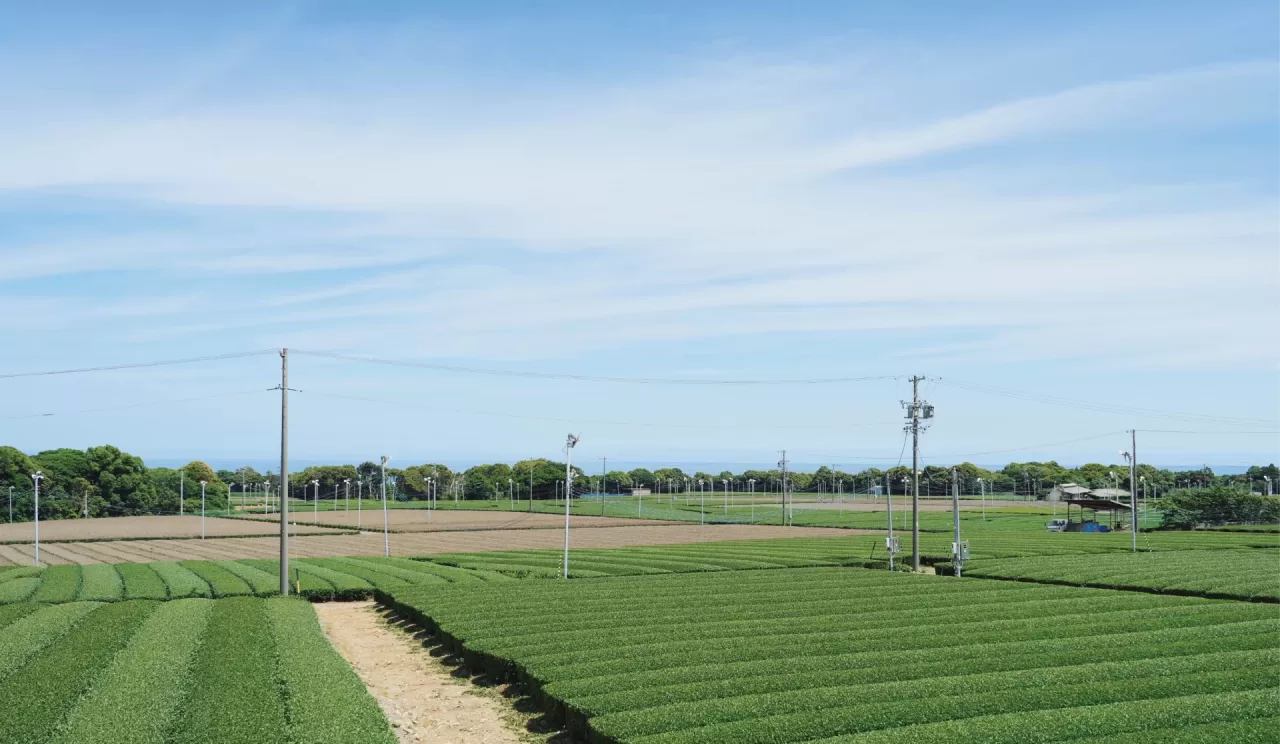
The rest of our journey was devoted to Matcha—the tea that has connected Morico with Hamasa-en and generations of tea farmers in Shizuoka.
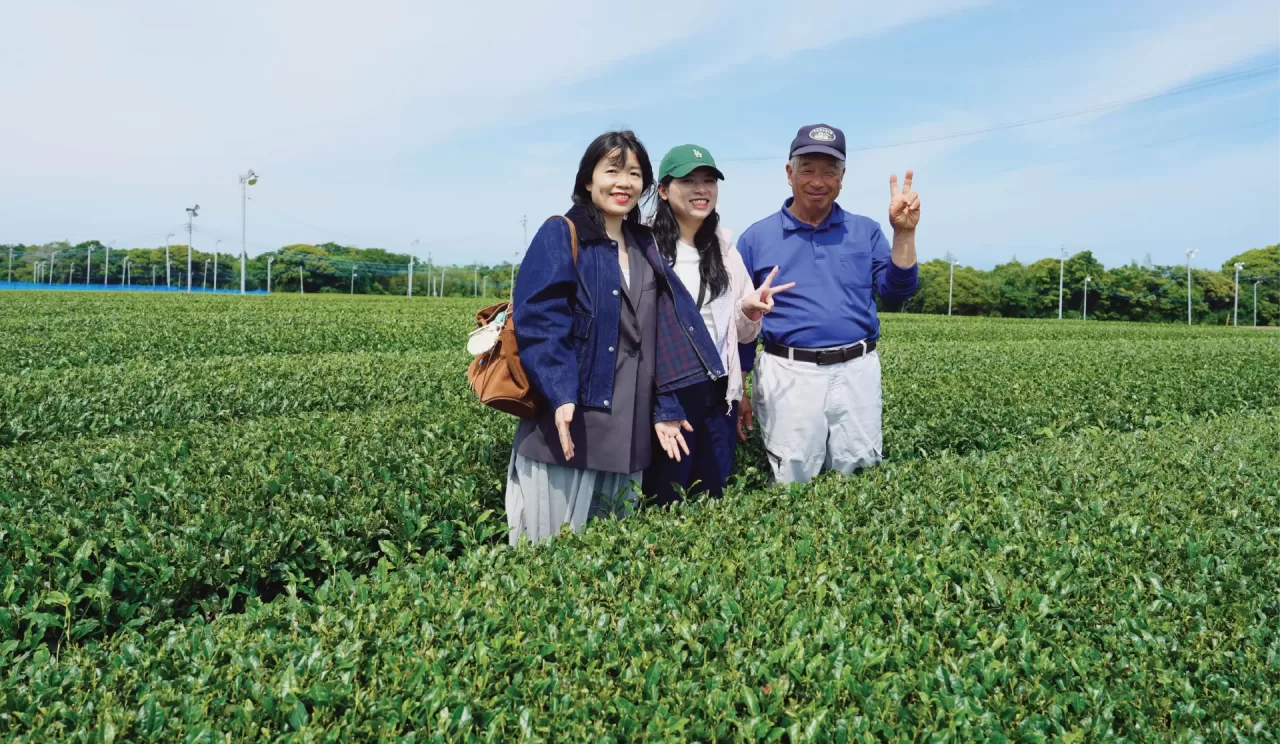
At Yamasen Farm (ヤマセン), what stayed with Morico most was not only the tea itself but the cheerful personality of the farm owner. He enthusiastically guided us around the fields, happily took photos with everyone, and never forgot to make a peace sign in every picture. He felt more like an old friend than the owner of a tea farm.
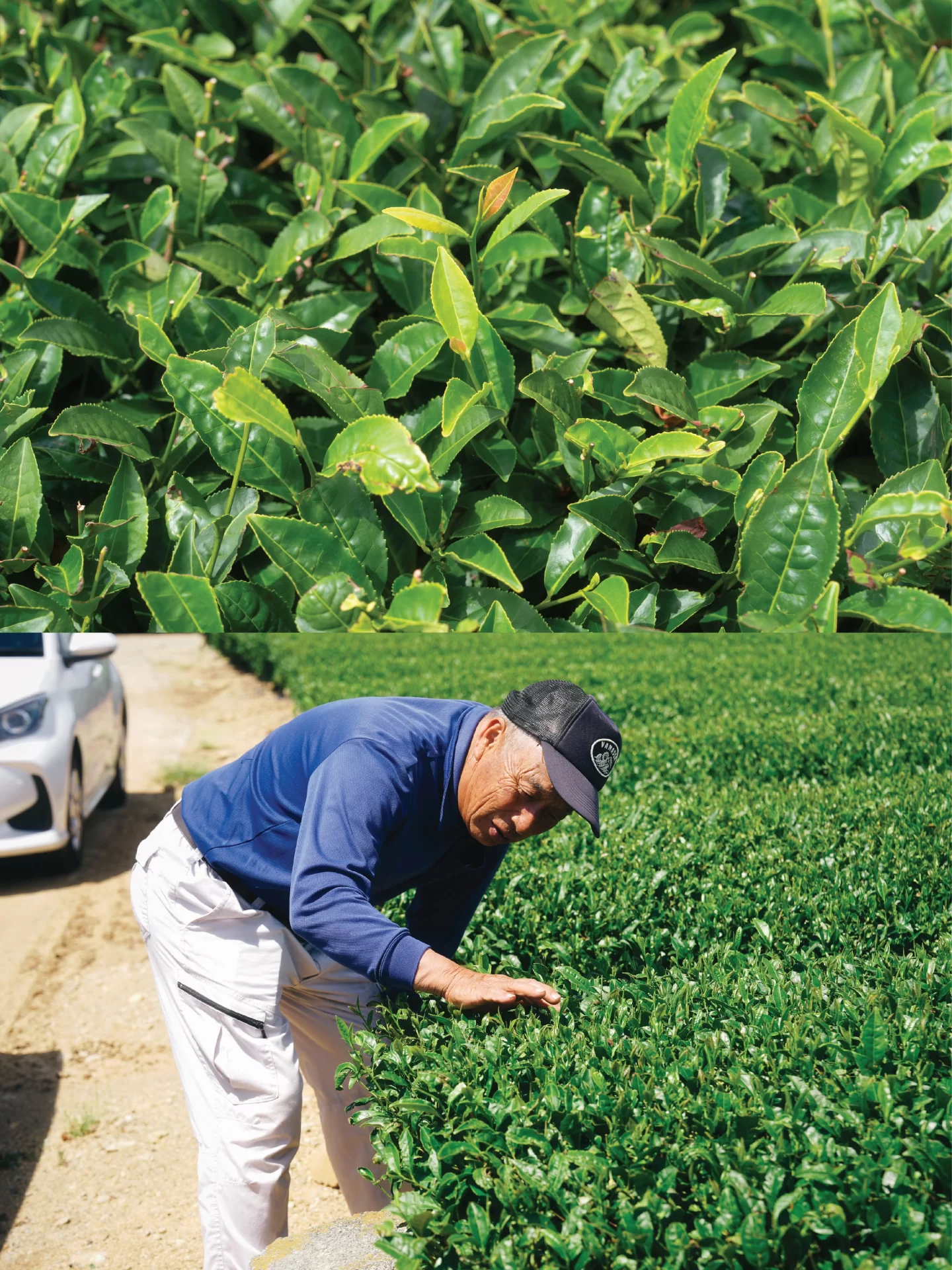
Perhaps because of his openness, our conversations that day flowed naturally. We spoke about harvest seasons, weather conditions, and changing tea preferences in different markets. We also learned that, in response to rapidly growing global demand for Matcha, Yamasen is gradually shifting much of its production capacity from Sencha to Tencha, the raw material used to produce Matcha.
Yet this growing demand also brings new challenges.
When the conversation turned to tea prices, Mr. Yamasen smiled and shared that the price of tea materials has risen dramatically this year, while only part of that increase can realistically be reflected in market prices. Of course, Morico already knew that Matcha prices had been rising. But hearing it directly from someone who grows tea every day made it feel much more real. It reminded us that every cup of Matcha represents far more care and effort than we often realize.
These conversations also made the tea tasting session at Hamasa-en the following day even more meaningful.
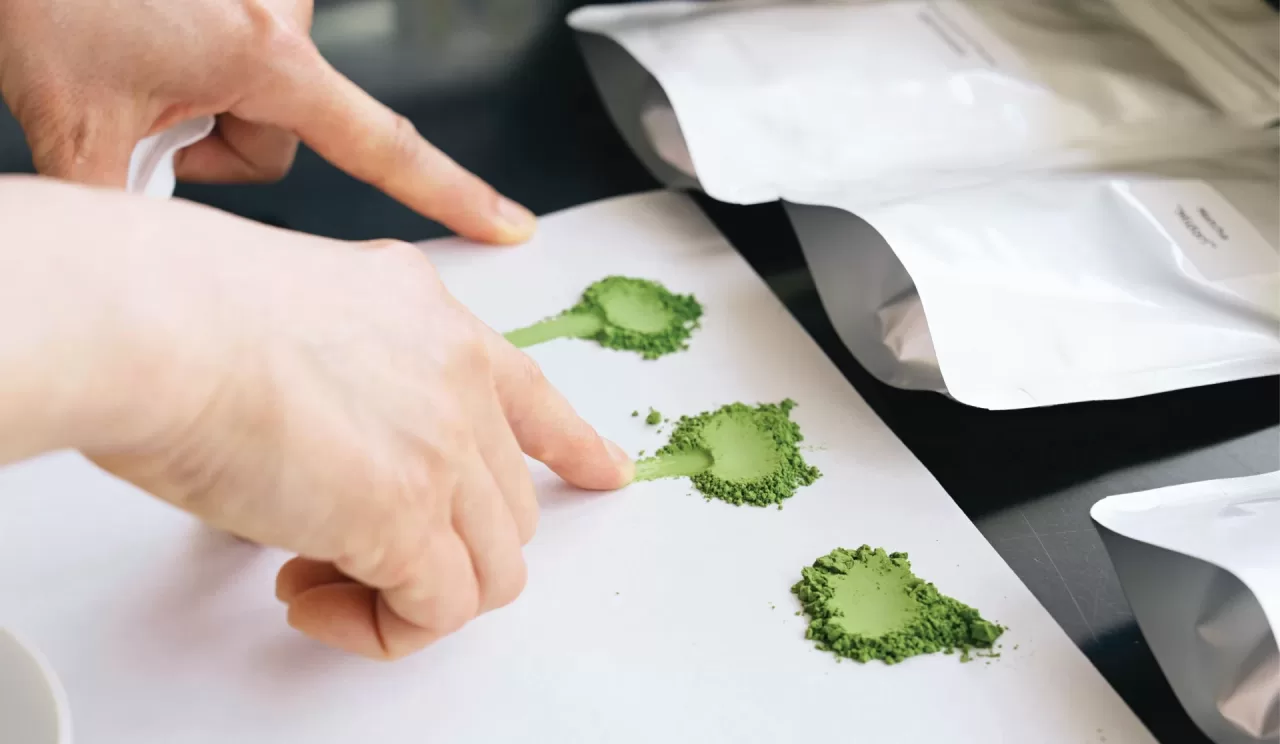
Together, we sampled various Matcha, Genmaicha, and Houjicha — from usucha to matcha lattes — while sharing impressions and talking about how people in different places, including Vietnam, enjoy tea in their own ways. The atmosphere was relaxed and welcoming, and by the end of the session, we found ourselves carrying home not only ideas for navigating a potential ingredient shortage, but also fresh inspiration for Morico’s upcoming 17th anniversary menu.
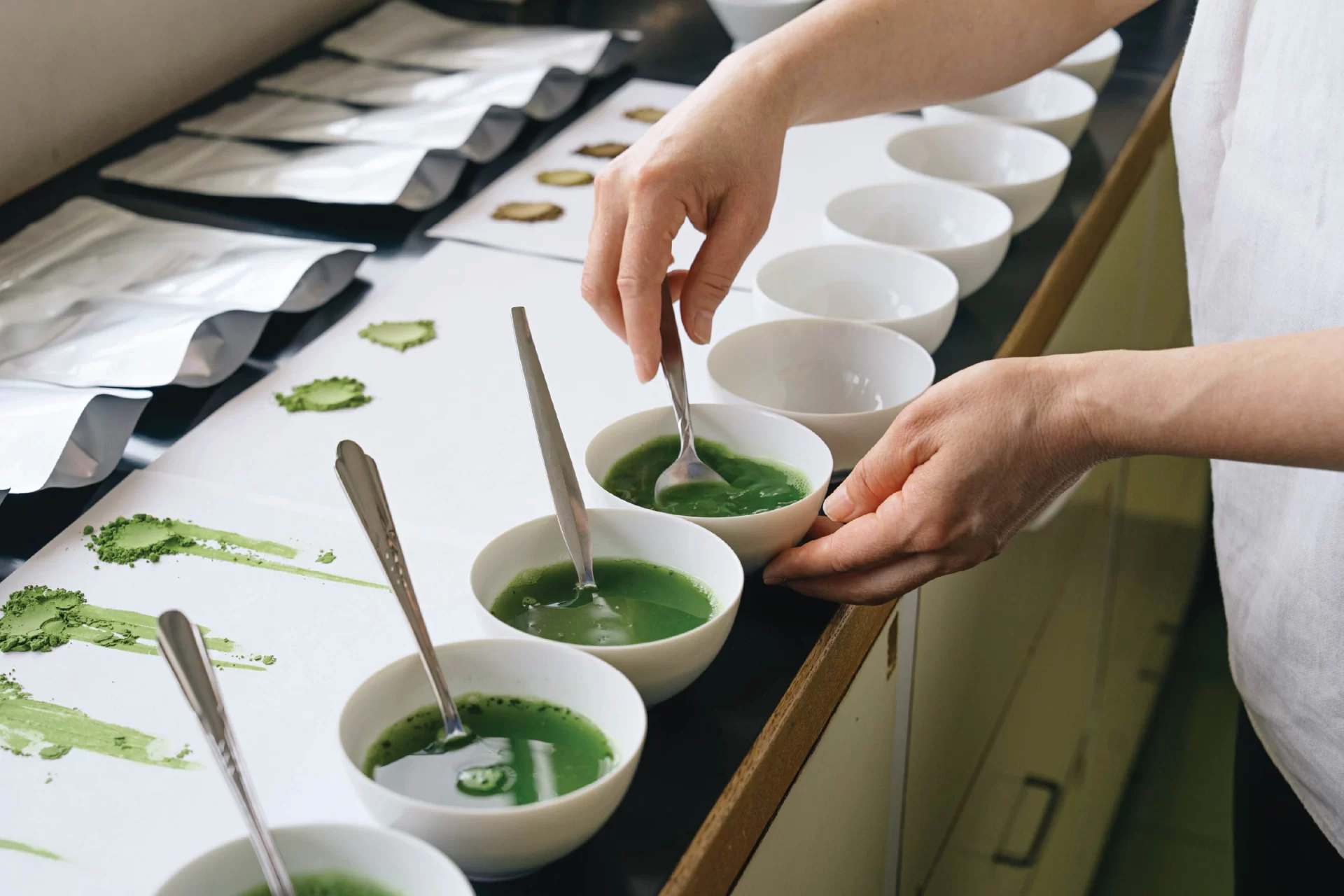
What impressed Morico most, however, was the natural sense of care throughout the tasting session. While we happily moved from one tea to another, one of Hamasa-en’s managers was cheerfully washing cups so that everyone could continue tasting tea. To us, it was a small but memorable expression of the warmth and hospitality we experienced at Hamasa-en. Perhaps because of moments like this, the entire session felt less like a meeting and more like an afternoon spent among friends.
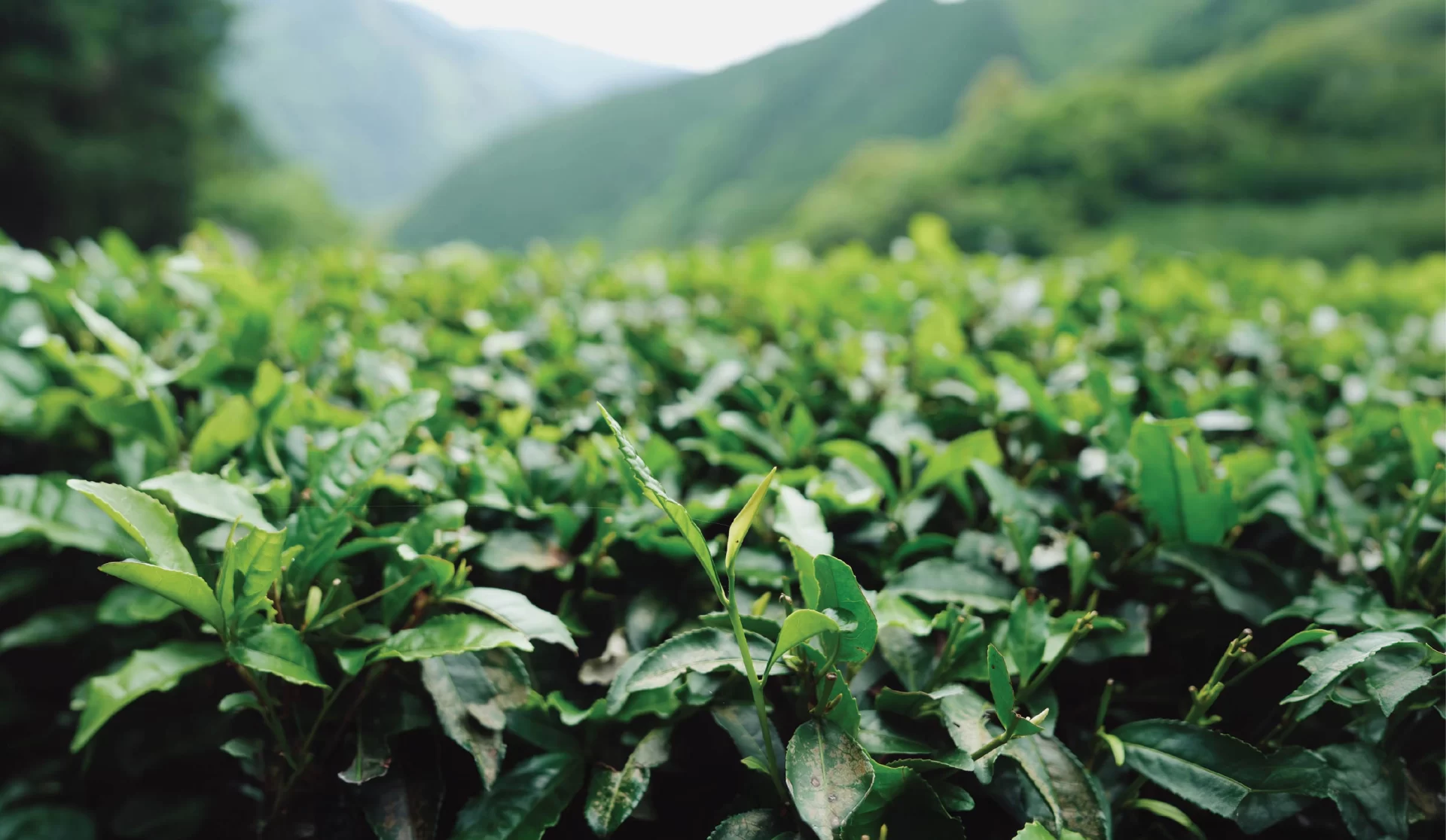
Another memorable topic was organic cultivation.
Through our conversations, we came to understand that Matcha is appreciated differently from place to place. In Vietnam and many parts of Asia, people often look for richness and pronounced umami, while in Europe and on the U.S. West Coast, there is growing curiosity about organic and single-cultivar Matcha.
For tea farmers, however, organic farming is not simply about avoiding pesticides. It is about learning to live alongside nature. Instead of trying to eliminate insects completely, they observe life cycles, understand when pests appear, and create conditions in which beneficial insects can thrive, allowing a natural balance to develop.
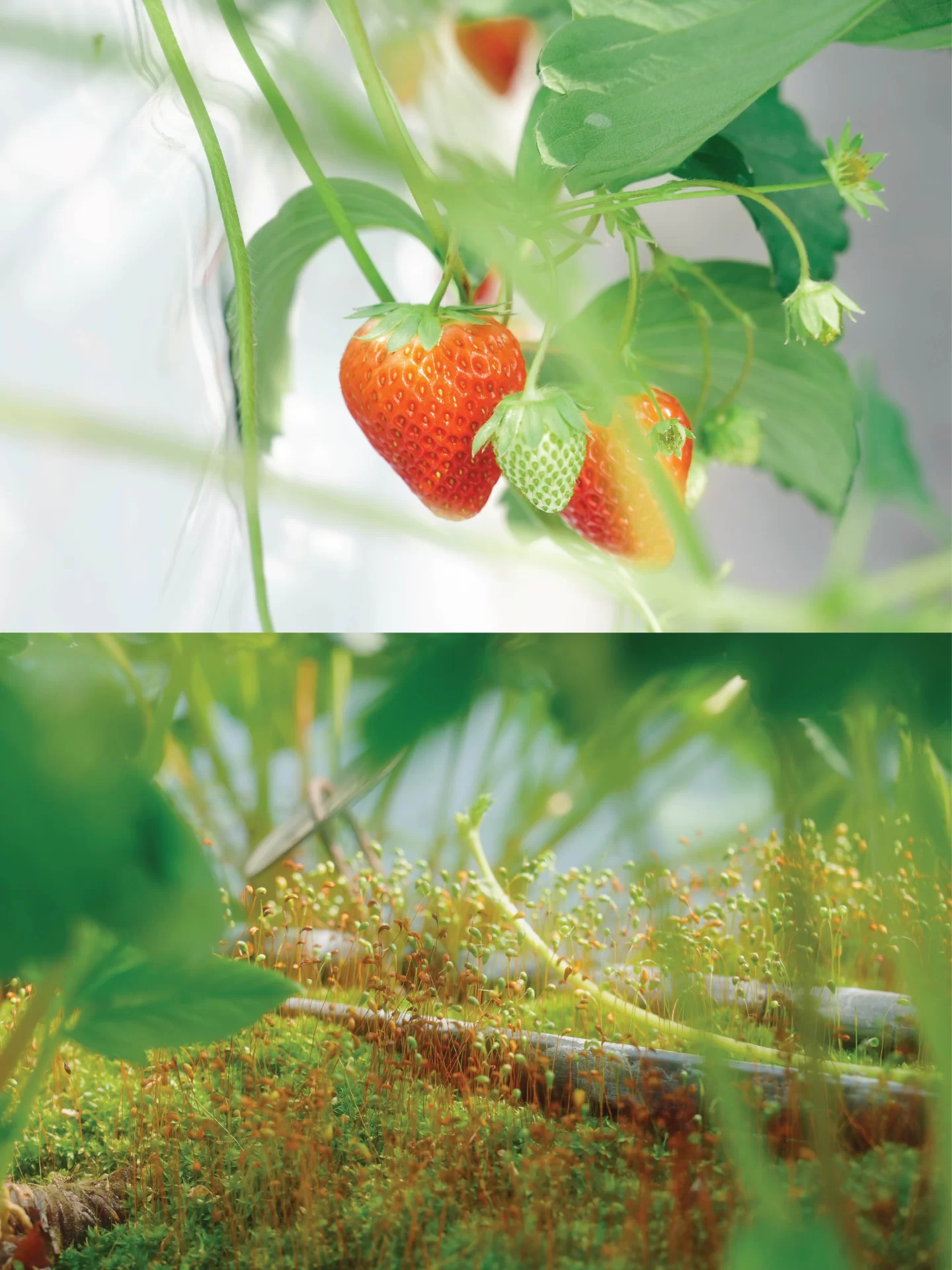
To illustrate this idea, the owner brought our group to his family’s strawberry garden.
After introducing several varieties that he insisted we should try, he invited us to freely pick and enjoy strawberries for about thirty minutes.
Among the strawberry rows, Morico unexpectedly noticed small patches of moss that had been carefully tended beneath the plants. We never learned whether they served a particular purpose, but somehow they made the place feel less like a production farm and more like a garden designed to be appreciated and enjoyed.
And because we became so absorbed in looking at the garden and photographing the moss, Morico managed to eat exactly one strawberry during the entire thirty-minute visit.
Closing thoughts
Looking back, what stays with Morico most is not only what we learned about tea, but also the people we met and the small moments we shared throughout the journey. Each encounter helped us gain a deeper appreciation for the care, time, and values preserved behind every cup of Matcha and many of Japan’s local treasures.
These experiences have also left us with new ideas and inspiration as we prepare for Morico’s upcoming 17th anniversary menu.
Finally, we would like to express our heartfelt gratitude to Hamasa-en for their warm hospitality and thoughtful companionship throughout this journey. We look forward to continuing to share the stories, flavors, and values of Japanese tea with even more customers in Vietnam in the years ahead.
Morico
May, 2026